



PLAnning and Implementation Actions for Sustainability and Circularity (PLA.I.A.)


Tools Used
(Digital Technologies)
The PLA.I.A. Project Integrates Three Transformative Technologies that Drive Sustainability and Circularity
These technologies interact seamlessly within the PLA.I.A. ecosystem: IoT sensors gather real-time data, which AI algorithms analyze to suggest optimization strategies; blockchain, in turn, records these optimization steps and results, ensuring traceability and accountability. This interconnected and integrated system enhances efficiency, reduces waste, and boosts environmental sustainability across the entire value chain.
1. Artificial Intelligence (AI)
2. Internet of Things (IoT)
3. Blockchain

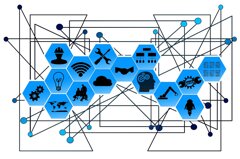
AI is employed to analyze large datasets, enabling companies to anticipate resource needs, predict maintenance schedules, and optimize production processes. AI-driven predictive models allow companies to make data-driven decisions that lead to smarter resource allocation and more effective sustainability actions
IoT sensors and devices are used to track real-time resource consumption, environmental conditions, and production processes. These sensors offer immediate insights, enabling businesses to take corrective actions on-the-fly, identify inefficiencies, and track progress toward sustainability goals. For example, IoT sensors in manufacturing facilities can track water and energy use, immediately alerting operators to inefficiencies or leaks
Blockchain ensures full transparency and traceability throughout the supply chain, from raw material sourcing to product end-of-life. This fosters greater trust and accountability among consumers and stakeholders, while enhancing supply chain resilience. For instance, by embedding blockchain in the supply chain, companies can guarantee that raw materials are sourced sustainably and that end-of-life products are responsibly recycled, closing the loop in the circular economy
PLA.I.A.
Driving Sustainable Innovation for Circular Industry Growth
Contacts
Principal Investigator: Fabio De Felice
Department of Engineering,
University of Naples Parthenope,
Centro Direzionale Isola C4, Napoli, Italy
fabio.defelice@uniparthenope.it